
-
White Oak Gall Powder
Vendor:themaziRegular price From $12.00 USDRegular price -
Black Walnut Hull Powder
Vendor:themaziRegular price From $11.00 USDRegular price -
Green Oak Gall Powder
Vendor:themaziRegular price From $12.00 USDRegular price -
Acorn Tannin Extract
Vendor:themaziRegular price From $12.00 USDRegular price -
Red Pine Bark Tannin Extract
Vendor:themaziRegular price From $11.00 USDRegular price -
White Oak Galls (Whole)
Vendor:themaziRegular price From $11.00 USDRegular price -
Sumac Leaf Powder
Vendor:themaziRegular price From $10.00 USDRegular price -
Green Oak Galls (Whole)
Vendor:themaziRegular price From $12.00 USDRegular price

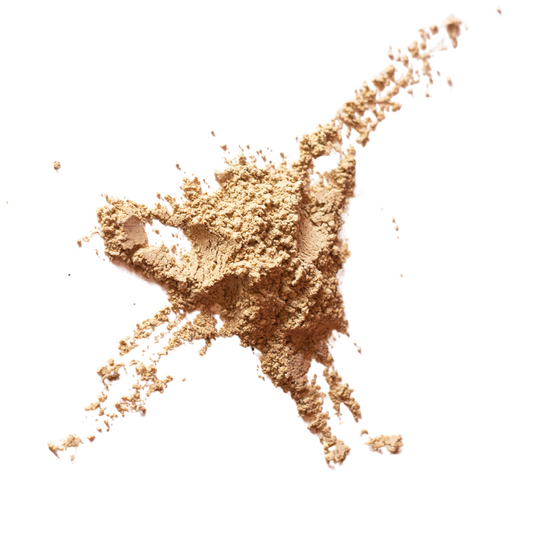


Natural brown and black dyes for fabric come from tannin-rich plants. Black walnut hull powder gives warm tan to chocolate brown, often without a mordant. Acorn and red pine bark extracts give earthy and pink-brown tones. Oak galls and sumac with a little iron give soft greys to deep black.
How to dye natural black
A true natural black is built in layers: a strong tannin bath, then an iron bath, repeated until you reach the depth you want. Overdyeing with indigo gives the deepest blue-blacks.
Browns on any fiber
Tannin dyes work on cotton and linen as well as wool and silk, which makes them ideal for neutral, timeless colors and for dye-ready blanks.
For greys and true blacks, see our natural black and grey dyes and the natural black dye guide. For walnut recipes, read the black walnut dye guide.
Frequently asked questions
Does walnut dye need a mordant?
Walnut is rich in tannin and dyes without a mordant, but alum gives more even, lightfast results.
How do I make grey with natural dyes?
Dye with a tannin such as oak gall or sumac, then dip in a weak iron bath.
Can I make ink from these dyes?
Yes. Oak gall and iron make traditional iron gall ink; add gum arabic to thicken it.
Explore more: Natural Tannins · All Natural Dyes
Guides for this collection
-

Black Walnut Dye Guide: Browns to Near-Black fr...
A practical guide to black walnut hull dye: how much powder to use, how to get tan, chocolate and near-black with alum and iron, and how to handle walnut safely.
Black Walnut Dye Guide: Browns to Near-Black fr...
A practical guide to black walnut hull dye: how much powder to use, how to get tan, chocolate and near-black with alum and iron, and how to handle walnut safely.
-

How to Get Purple and Brown Shades from Plant Dyes
How to dye browns, grays, mauves and purples with acorn extract and madder root, step by step.
How to Get Purple and Brown Shades from Plant Dyes
How to dye browns, grays, mauves and purples with acorn extract and madder root, step by step.
-

Tannin Mordant Guide: Natural Tannins for Dyein...
A practical comparison of natural tannins for dyeing cotton and linen, covering hydrolysable vs condensed tannins, clear vs colored tannins, extracts vs raw materials, and % WOF rates.
Tannin Mordant Guide: Natural Tannins for Dyein...
A practical comparison of natural tannins for dyeing cotton and linen, covering hydrolysable vs condensed tannins, clear vs colored tannins, extracts vs raw materials, and % WOF rates.


