
-
Tanin en poudre de galle de chêne | Blanc
Fournisseur :themaziPrix habituel À partir de $12.00 USDPrix habituel$47.60 USDPrix promotionnel À partir de $12.00 USDPromotion -
Tanin en poudre de galle de chêne | Vert
Fournisseur :themaziPrix habituel À partir de $12.00 USDPrix habituel -

 Promotion
Extrait de gland | Extrait de tanin
Fournisseur :themaziPrix habituel À partir de $12.00 USDPrix habituel$17.00 USDPrix promotionnel À partir de $12.00 USDPromotion -
Extrait d'écorce de pin rouge | Extrait de tanin
Fournisseur :themaziPrix habituel À partir de $11.00 USDPrix habituel -

 Promotion
Noix de galle en chêne blanc | Ensemble
Fournisseur :themaziPrix habituel À partir de $11.00 USDPrix habituel$44.00 USDPrix promotionnel À partir de $11.00 USDPromotion -
Poudre d'écorce de grenade
Fournisseur :themaziPrix habituel À partir de $12.00 USDPrix habituel -
Poudre de feuille de sumac | Extrait de tanin
Fournisseur :themaziPrix habituel À partir de $10.00 USDPrix habituel -

 Promotion
Noix de galle de chêne vert | Ensemble
Fournisseur :themaziPrix habituel À partir de $12.00 USDPrix habituel$47.60 USDPrix promotionnel À partir de $12.00 USDPromotion

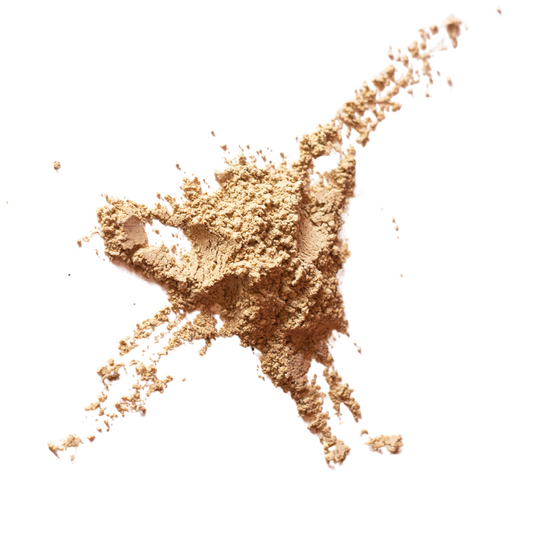


Tannins are plant compounds that help natural dyes bond to cellulose fibers and create browns, greys and blacks with iron. They are an essential step when dyeing cotton and linen. We offer white oak gall powder, green oak gall powder, whole white and green oak galls, sumac leaf powder, acorn tannin extract, red pine bark extract and pomegranate peel powder.
Clear tannins and colored tannins
Clear tannins such as white oak gall and sumac add little color, so they are ideal as a base before bright dyes like madder or weld. Colored tannins such as acorn, red pine bark and pomegranate add their own tan, pink-brown or golden tone and are dyes in their own right.
How to use tannins
For cotton and linen, scour the fabric, soak it in a tannin bath (typically 8–10% of the dry fiber weight), then mordant with alum. Dipping tannin-treated fabric in a weak iron bath gives soft greys to deep black. Oak galls are also the classic base for oak gall (iron gall) ink.
Frequently asked questions
Do I need tannin for wool and silk?
No. Protein fibers bond with alum alone; tannins are mainly used for cotton, linen, hemp and other plant fibers.
Which tannin should I choose?
Choose white oak gall or sumac for the brightest colors afterwards, and acorn, pine bark or pomegranate when you want warm base tones or browns.
Can tannins be used for ink?
Yes. Oak galls combined with iron make traditional iron gall ink, and gum arabic thickens it for writing.
Explore more: Brown & Black Dyes · Mordants & Assists
Guides for this collection
-

Aleppo Oak Galls (Quercus infectoria): Complete...
Everything about Aleppo oak galls for natural dyeing: tannin treatment for cotton and linen, WOF ratios, iron greys and blacks, ink making and storage.
Aleppo Oak Galls (Quercus infectoria): Complete...
Everything about Aleppo oak galls for natural dyeing: tannin treatment for cotton and linen, WOF ratios, iron greys and blacks, ink making and storage.
-

How to Mordant Cotton and Linen (Cellulose Fibers)
How to mordant cotton and linen for natural dyeing with tannin and alum or with aluminum acetate, with amounts and step-by-step instructions.
How to Mordant Cotton and Linen (Cellulose Fibers)
How to mordant cotton and linen for natural dyeing with tannin and alum or with aluminum acetate, with amounts and step-by-step instructions.
-

4 colorants naturels qui n'ont pas besoin de mo...
Four natural dyes you can use without a mordant (indigo, black walnut, oak galls and pomegranate) and why they work.
4 colorants naturels qui n'ont pas besoin de mo...
Four natural dyes you can use without a mordant (indigo, black walnut, oak galls and pomegranate) and why they work.


