
-
Iron (Ferrous Sulphate)
Vendor:themaziRegular price $5.00 USDRegular price -
White Oak Gall Powder
Vendor:themaziRegular price From $12.00 USDRegular price -
Green Oak Gall Powder
Vendor:themaziRegular price From $12.00 USDRegular price -
White Oak Galls (Whole)
Vendor:themaziRegular price From $11.00 USDRegular price -
Green Oak Galls (Whole)
Vendor:themaziRegular price From $12.00 USDRegular price -
Sumac Leaf Powder
Vendor:themaziRegular price From $10.00 USDRegular price -
Black Walnut Hull Powder
Vendor:themaziRegular price From $11.00 USDRegular price -
Pomegranate Peel Powder
Vendor:themaziRegular price From $12.00 USDRegular price -
Red Pine Bark Tannin Extract
Vendor:themaziRegular price From $11.00 USDRegular price -
Acorn Tannin Extract
Vendor:themaziRegular price From $12.00 USDRegular price -
Natural Indigo Extract
Vendor:themaziRegular price From $20.00 USDRegular price


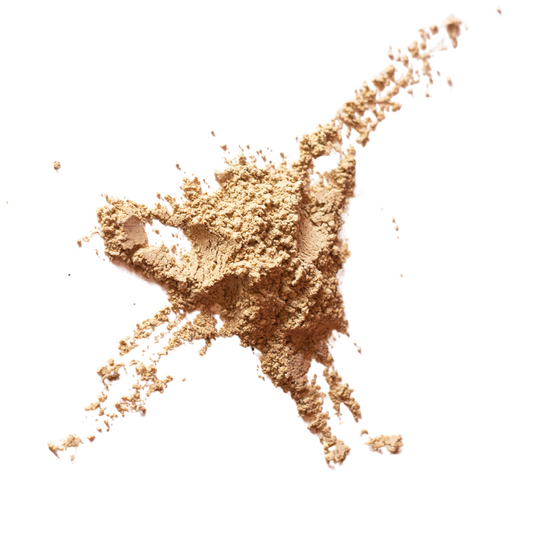


There is no single "black" plant. Natural greys and blacks come from a simple reaction: tannin plus iron. Tannin-rich plants such as oak galls, sumac, black walnut hulls and pomegranate peel turn grey to charcoal when they meet iron (ferrous sulfate). This is the same chemistry behind historic oak gall ink.
How to get grey or black
- Silver grey: a light tannin bath, then a weak iron afterbath (about 0.5–1% WOF).
- Charcoal: a strong tannin bath (15–20% WOF oak gall), then iron at 1–2% WOF.
- Near-black: repeat tannin and iron layers, or start on a mid-blue indigo base.
- Warm browns and khaki greys: walnut, pomegranate, red pine bark or acorn extract with iron.
Use the natural dye WOF calculator to turn these percentages into grams for your fabric.
Fiber tips
Cotton and linen take tannin and iron very well. On wool and silk keep iron low (1% WOF or less) because more iron can make fibers harsh and weak. Always rinse well after the iron step.
Explore more: Natural Tannins · Alum & Iron Mordants · Brown Dyes
Frequently asked questions
What natural dye makes black?
Black comes from tannin plus iron. Dye with a tannin such as oak gall, sumac or walnut, then use an iron afterbath. Layering, or an indigo base, gives the deepest black.
Is iron safe for fabric?
Yes, in small amounts. Use 0.25–2% WOF as an afterbath. On wool and silk stay at 1% or less to avoid harsh, weak fiber.
Why is my natural black fading to brown?
Usually too little tannin, too little iron, or poor rinsing. Build the color in several thinner layers and rinse well between steps.
Guides for this collection
-

Natural Black Dye: How to Get Black and Charcoa...
How natural black works (tannin plus iron, often over indigo), with four recipes in % WOF for charcoal, olive-black, brown-black and deep black on cotton, linen and wool.
Natural Black Dye: How to Get Black and Charcoa...
How natural black works (tannin plus iron, often over indigo), with four recipes in % WOF for charcoal, olive-black, brown-black and deep black on cotton, linen and wool.
-

Iron Mordant Guide: Ferrous Sulfate Dyeing for ...
A practical guide to iron (ferrous sulfate) in natural dyeing: how much to use as a modifier or mordant, how to make iron water, how to get greys and blacks,...
Iron Mordant Guide: Ferrous Sulfate Dyeing for ...
A practical guide to iron (ferrous sulfate) in natural dyeing: how much to use as a modifier or mordant, how to make iron water, how to get greys and blacks,...
-

Tannin Mordant Guide: Natural Tannins for Dyein...
A practical comparison of natural tannins for dyeing cotton and linen, covering hydrolysable vs condensed tannins, clear vs colored tannins, extracts vs raw materials, and % WOF rates.
Tannin Mordant Guide: Natural Tannins for Dyein...
A practical comparison of natural tannins for dyeing cotton and linen, covering hydrolysable vs condensed tannins, clear vs colored tannins, extracts vs raw materials, and % WOF rates.


