Iron (Ferrous Sulphate)
Iron (Ferrous Sulphate)
Couldn't load pickup availability
- Secure Checkout
- Fast Worldwide Shipping
- Free Shipping $150+
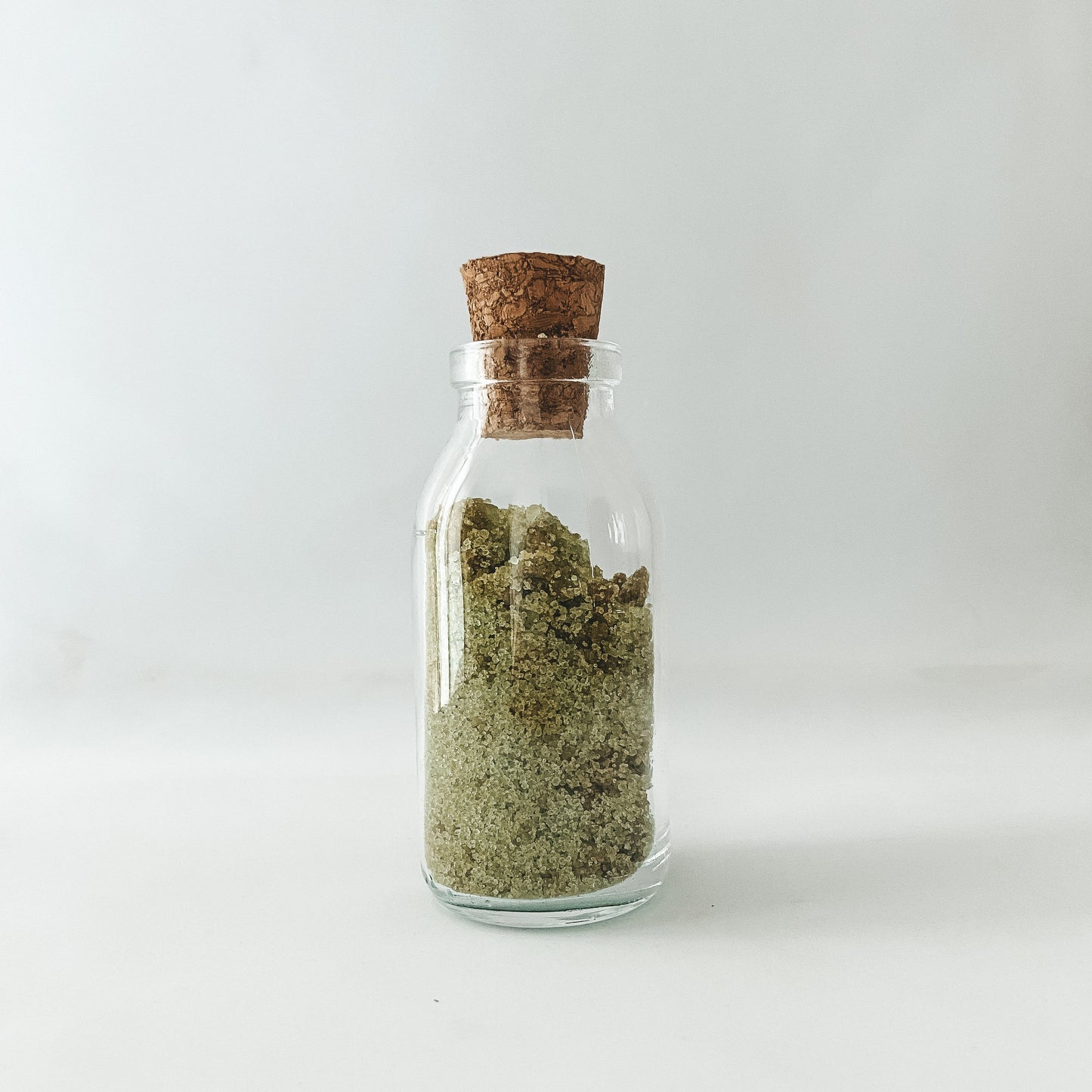
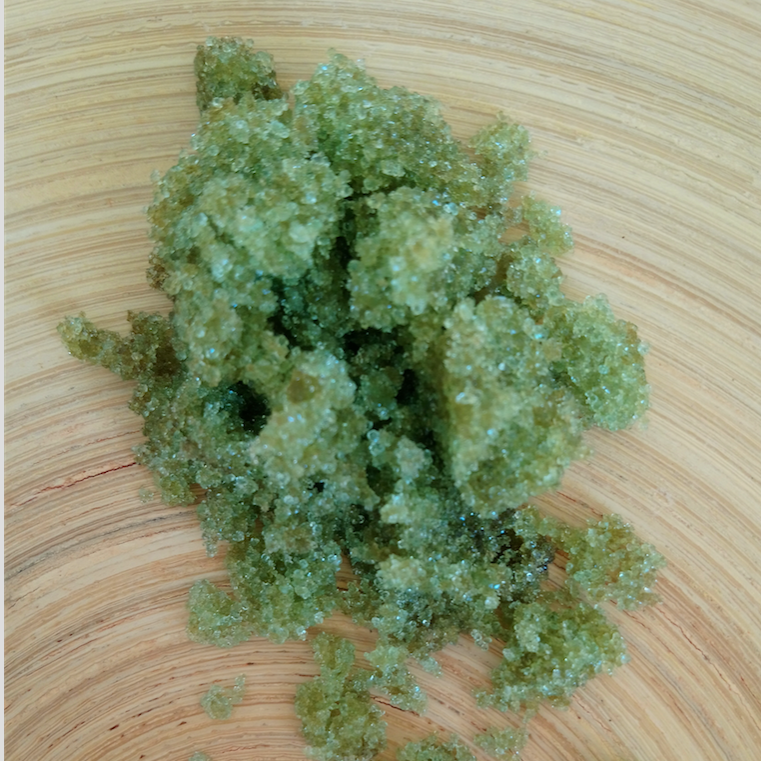
Iron (ferrous sulfate) is the classic "saddening" mordant and color modifier in natural dyeing. A very small amount shifts natural dyes toward deeper, cooler tones: yellows become olive and khaki, madder reds turn plum and purple, and tannins such as oak galls turn soft gray to black. Iron also improves the light fastness of many natural dyes.
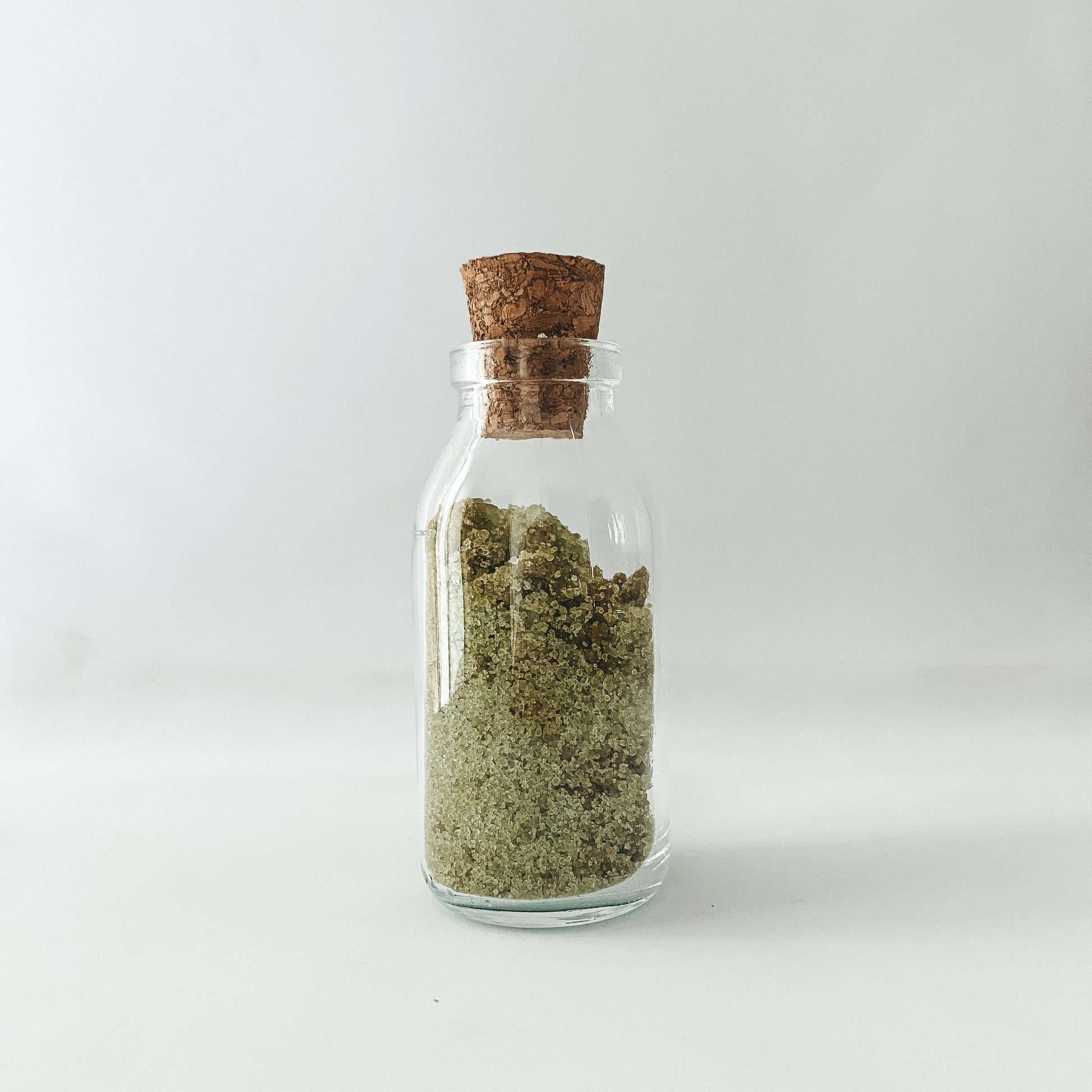
Size: 50 g (1.76 oz). Because iron is used in such small amounts, 50 g treats a lot of fiber.
How much iron to use
- As a modifier (afterbath): 0.25% WOF for a light shift, 0.5–1% for medium, up to 2% for dark shades. For 100 g of fiber, that is just 0.25–2 g.
- As a mordant: 2–4% WOF, mainly on cotton and linen. Never use more than 4%, as too much iron weakens fibers.
- Wool and silk: keep to 1% WOF or less. Iron can make protein fibers feel harsh and brittle.
- With tannins for grays and blacks: treat the fiber with tannin first, then give it a 0.5–2% WOF iron bath. Repeat for darker shades.
WOF means the dry weight of fiber. Not sure what that means? Read our guide to mordants for natural dyeing.
How to use iron as an afterbath
- Dye your fiber as usual, for example with madder, weld or pomegranate.
- Dissolve the weighed iron in a cup of cold water, then add it to a pot or bucket of warm water (about 50 °C / 120 °F) with room for the fiber to move.
- Add the wet, dyed fiber and keep it moving. Colors change within minutes. Lift it out as soon as you like the shade; do not leave fiber in iron for more than about 30 minutes.
- Rinse well, then wash with a pH-neutral soap.
Tips and safety
- Keep iron separate. Use a dedicated pot, spoon and bucket for iron. Even small traces left in equipment will dull later dye baths.
- Start small. You can always dip again, but you cannot remove iron once the color has shifted.
- Wear gloves and a dust mask when weighing, avoid breathing steam, and cover work surfaces: iron stains wood and skin.
- Keep out of reach of children. Iron is harmful if swallowed. Store sealed in a dry place.
See it in action: madder purples and mauves with iron · iron gall ink · weld olive greens
Frequently asked questions
What does iron do in natural dyeing?
Iron darkens and cools colors. It turns yellows olive, reds purple and tannins gray to black, and it improves light fastness.
Can I use iron on wool?
Yes, but use 1% WOF or less and keep the temperature low. Too much iron makes wool and silk harsh and brittle.
How long does 50 g of iron last?
A long time. At 1% WOF, 50 g of iron is enough to modify about 5 kg of fiber.
Read the guide: Iron mordant guide
Work out exact grams for your fabric with our free natural dye calculator and WOF chart.
Share